

Home Finance
Category:

Finance

Advertorial

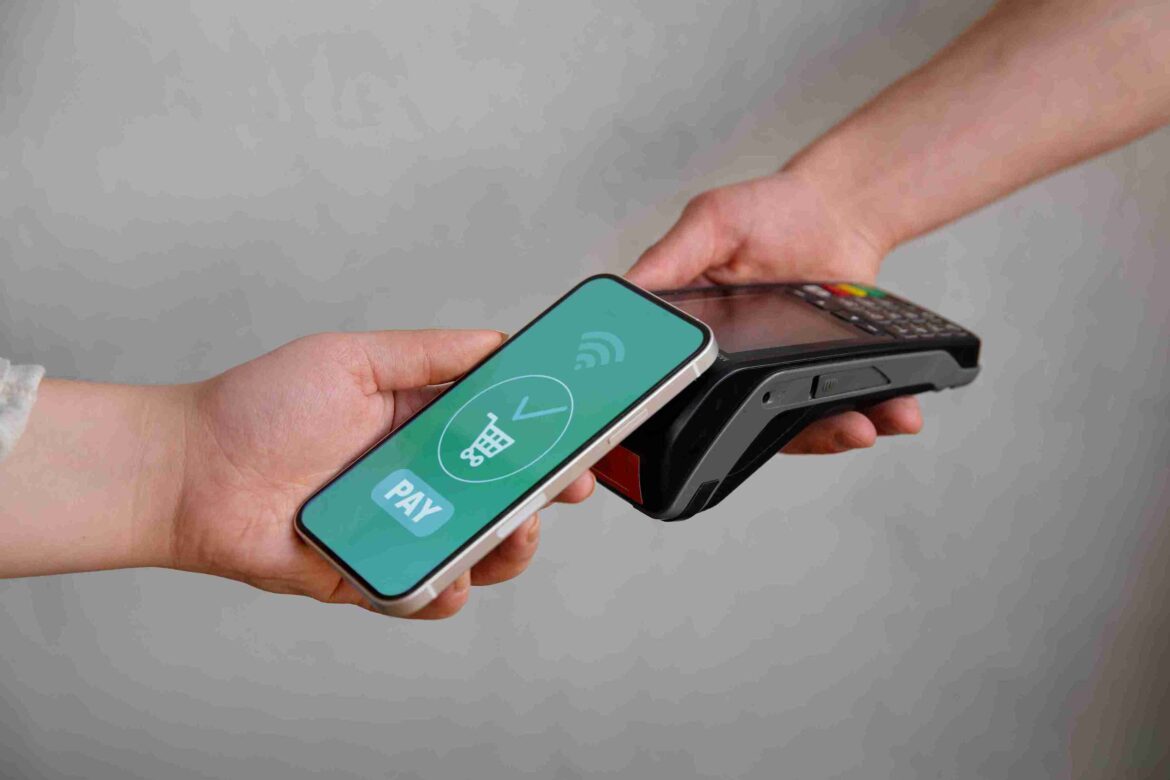
The use of digital payments in Ireland has continued to expand rapidly, with contactless and mobile payment methods now becoming standard in many retail environments. Across supermarkets, restaurants, and small businesses, cash usage has declined steadily as consumers increasingly adopt faster and more convenient payment technologies.

One of the main drivers of this shift is the widespread adoption of contactless card payments. Most banks in Ireland now issue cards with contactless functionality as standard, allowing transactions to be completed in seconds without the need for PIN entry for lower-value purchases. This has significantly increased transaction speed in high-traffic retail settings.

Mobile payment platforms such as Apple Pay and Google Pay have also contributed to this trend. Consumers increasingly prefer to use smartphones or wearable devices for everyday purchases, particularly in urban areas where digital infrastructure is well developed. Retailers have responded by upgrading point-of-sale systems to accommodate these technologies.

The COVID-19 pandemic played a key role in accelerating the decline of cash usage. Health concerns and social distancing measures encouraged both consumers and businesses to minimize physical contact, leading to a long-term behavioral shift. Even after restrictions were lifted, many of these habits have persisted.


Pages: 1 2

Advertorial

Ireland’s technology sector, a key pillar of the national economy, is continuing to experience workforce reductions as major multinational companies adjust to changing global market conditions. Over the past year, several large tech firms with operations in Ireland have announced layoffs or hiring slowdowns as part of broader cost-optimization strategies.

These adjustments are not isolated to Ireland but reflect global restructuring trends across the technology industry. After a period of rapid expansion during the pandemic, many companies expanded their workforce significantly in anticipation of sustained digital demand. However, slower revenue growth, increased competition, and pressure from investors have led to a reassessment of staffing levels.

Ireland, as a major European hub for technology companies, has been directly affected. Dublin in particular hosts European headquarters for several global firms, meaning local employment is closely tied to international corporate decisions. As a result, workforce reductions announced at global level often translate into job losses or reduced hiring activity within Ireland.

The impact varies across different segments of the tech industry. Software engineering and product development roles have seen selective reductions, while areas such as compliance, data governance, and European regulatory operations remain relatively stable due to Ireland’s role as an EU base for these companies.

At the same time, some firms continue to invest in artificial intelligence, cloud infrastructure, and cybersecurity, which has partially offset job losses in other areas. However, these new roles are often more specialized, requiring higher skill levels and different qualifications than previous entry-level positions.

Pages: 1 2

Advertorial

Ireland continues to face sustained cost of living pressures that are affecting households across all income levels. Despite a gradual easing of headline inflation compared to previous peaks, essential expenses such as housing, energy, transport, and food remain significantly higher than pre-crisis levels. This structural increase in living costs has reshaped household budgets and consumption patterns nationwide.

One of the most significant factors driving financial pressure is housing. Both rental and mortgage costs remain elevated, particularly in urban areas such as Dublin and Cork. Limited housing supply continues to push prices upward, forcing many households to allocate a large share of income to accommodation. This reduces disposable income and limits spending in other sectors.

Energy costs also remain a key burden, even as global wholesale prices have stabilized. Many households continue to experience higher utility bills compared to historical averages. While government support schemes have helped offset some of the impact during peak periods, these measures have gradually been reduced, increasing direct exposure to market prices.

Food inflation, although lower than its peak levels, remains above long-term averages. Grocery costs have increased across multiple categories, including dairy, meat, and fresh produce. This has led to noticeable changes in consumer behavior, with households increasingly shifting toward discount retailers and private-label products.

Transport expenses have also contributed to financial strain. Fuel prices remain volatile, and public transport costs have increased in certain regions. Commuters, particularly those living outside major cities, face higher combined costs due to fuel, maintenance, and time-related expenses.

Pages: 1 2

Advertorial

The Central Bank of Ireland has raised ongoing concerns about the steady increase in household consumer debt, highlighting potential risks to financial stability if current borrowing patterns continue. While Ireland’s macroeconomic indicators remain relatively strong, underlying household financial conditions show signs of increasing strain.

Consumer debt growth has been driven primarily by rising living costs combined with greater reliance on credit-based consumption. Many households are increasingly using credit cards, personal loans, and buy-now-pay-later services to manage everyday expenses. This shift reflects the growing gap between income growth and the cost of maintaining basic living standards, particularly in urban areas.

Inflationary pressures over recent years have contributed significantly to this trend. Although headline inflation has moderated compared to peak levels, accumulated price increases in housing, energy, and food continue to affect household budgets. As a result, many families have reduced savings rates and increased dependence on short-term borrowing.

At the same time, higher interest rates across the eurozone have increased the cost of servicing existing debt. Mortgage holders on variable-rate products have been particularly affected, but unsecured credit has also become more expensive. This has created a dual pressure effect: higher monthly repayment obligations combined with limited income flexibility.

Pages: 1 2

Advertorial

Ireland’s housing market continues to show persistent upward pressure on prices, despite a broader European environment of elevated interest rates designed to reduce borrowing demand. Over the past year, property values in Ireland have continued to increase, particularly in major urban centers such as Dublin, Cork, and Galway, where demand significantly exceeds available supply.

A key structural issue remains the imbalance between housing supply and population growth. Ireland has experienced steady demographic expansion driven by both natural population increase and sustained net migration. This has placed additional pressure on an already constrained housing stock. The result is a market where demand consistently outpaces the rate at which new homes are being delivered.

Construction activity has improved compared to previous years, but several bottlenecks continue to slow progress. Planning permission processes remain lengthy and complex, often delaying projects for extended periods. Developers also face rising costs for materials and labor, which reduces the economic feasibility of large-scale residential projects. In addition, suitable land in high-demand urban areas remains limited, forcing development toward peripheral zones that do not fully address central housing shortages.

Pages: 1 2

Advertorial

About Us

Stellar-paradigm Pvt Ltd

Market St, Clifden, Connemara, Co. Galway, H71 XA52, Ireland

Telefon: +353857863569

E-Mail:info@stellar-paradigm.com

All materials published on this website are for informational purposes only. The information on this website does not constitute professional advice (including legal, financial, investment, tax, or other advice). The user assumes full responsibility for any decisions made based on the materials on this website.

© 2026 – All rights reserved